The short answer
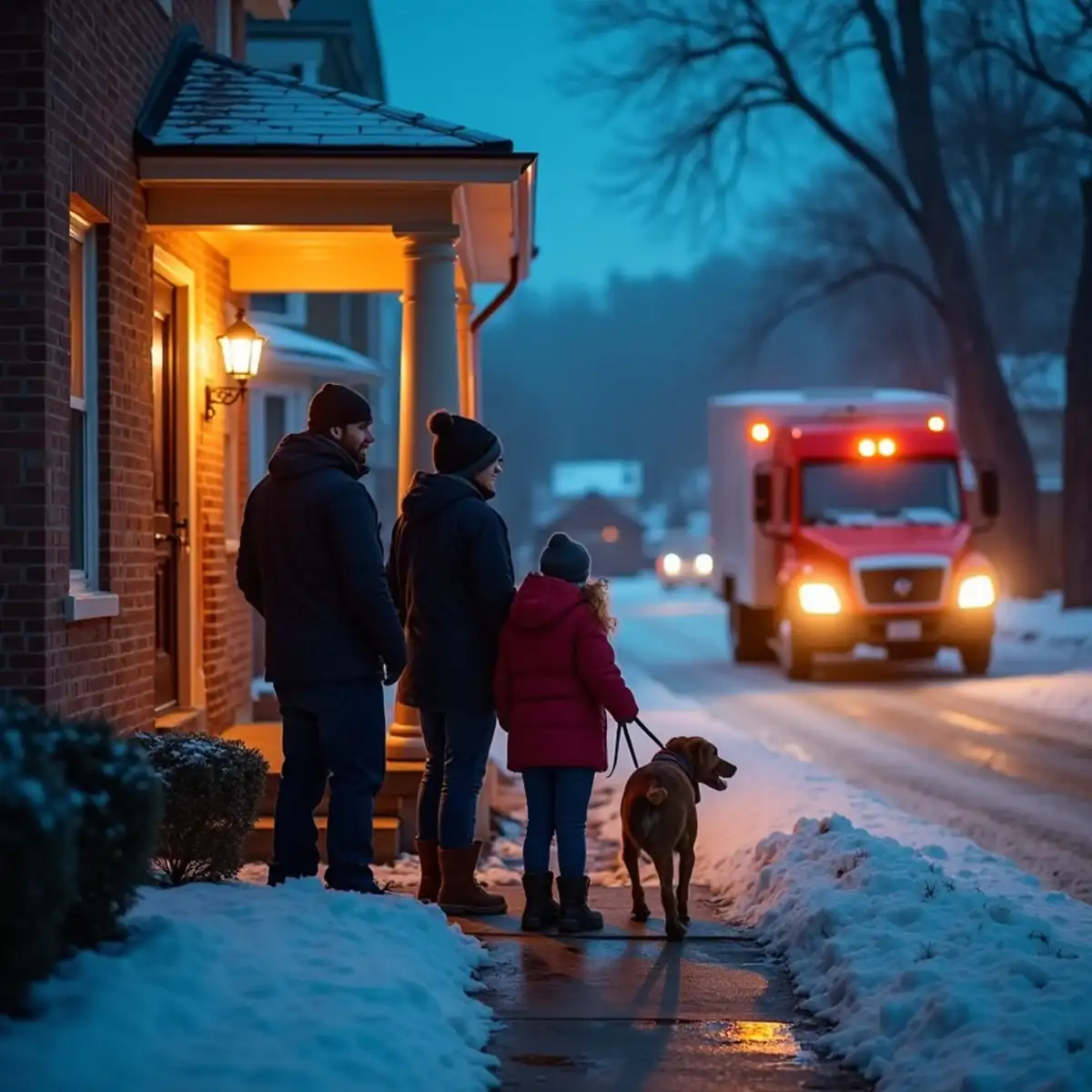
If you smell gas or a carbon monoxide alarm goes off near your furnace, get everyone out of the house right away. Do not flip switches, use a phone inside or look for the leak. Once outside, call 911 or your gas utility (Peoples or Columbia Gas in most of Allegheny County). Stay out until responders say it is safe.
After the all-clear, have the furnace inspected by an HVAC technician before it runs again.
Gas smell: leave first, call from outside
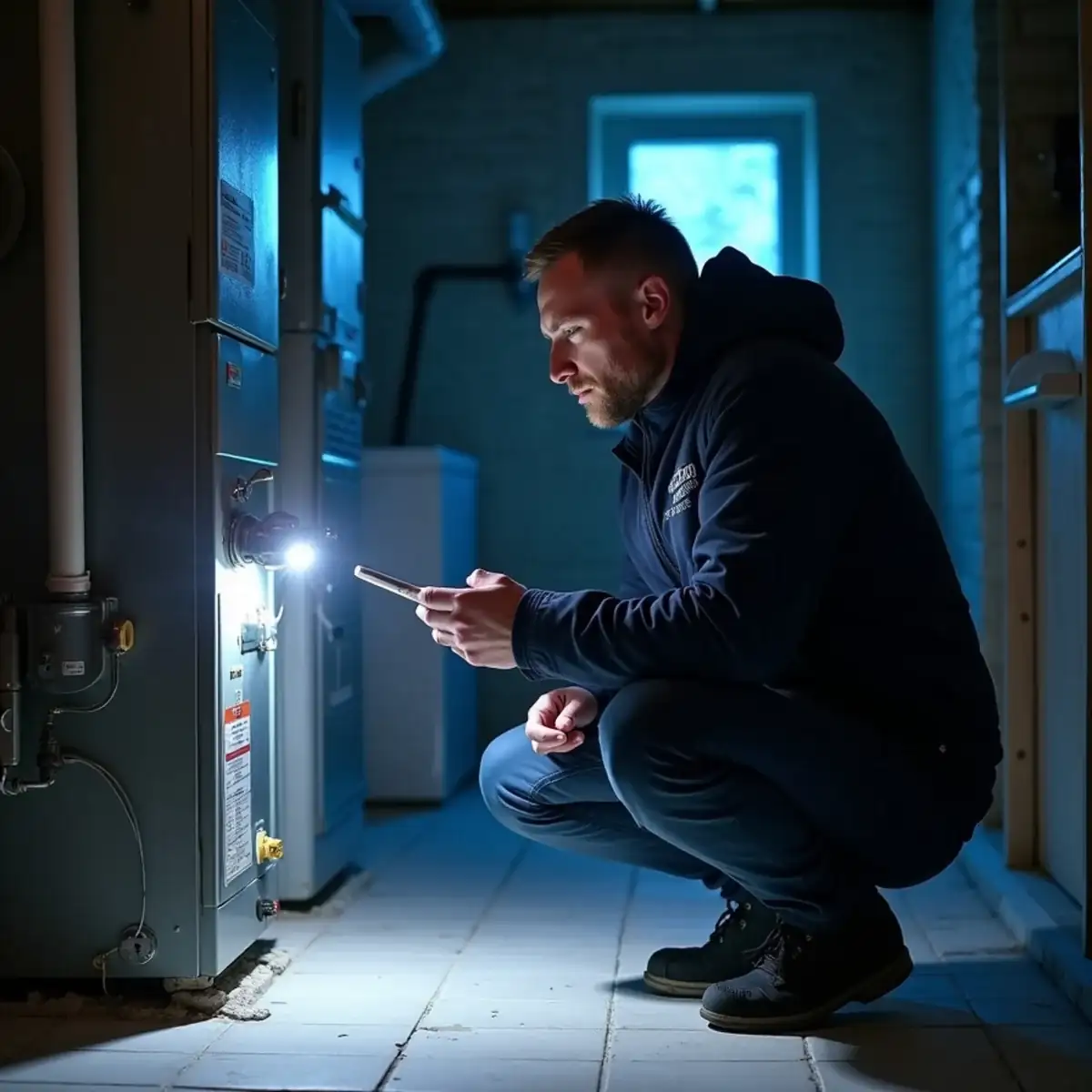
Natural gas has no smell of its own. Utilities add an odorant that smells like rotten eggs or sulfur so a leak is noticeable. If you catch that smell near the furnace, in the basement or anywhere in the house, treat it as a leak until someone with a gas detector says otherwise.
- Get everyone, including pets, out of the house now.
- Do not turn lights or appliances on or off, unplug anything, or ring a doorbell. A switch can spark.
- Do not use a cell phone or landline inside. Make the call once you are outside and away from the house.
- Do not light matches or lighters, and do not start a car in an attached garage.
- Do not try to find the leak or shut valves yourself unless the utility or fire department tells you to.
- From outside or a neighbor's house, call 911 or your gas utility's emergency line.
In many Pittsburgh basements the furnace sits a few feet from the gas water heater, the dryer and the meter, on piping that may be decades old. You cannot tell by smell which one is leaking, which is one more reason to leave the search to the utility.
CO alarm sounding: what to do in the first minutes
Carbon monoxide has no color and no smell, so the alarm is your only warning. Do not silence it and go back to bed, and do not open windows and stay inside to wait it out.
- Get everyone and every pet outside into fresh air.
- Call 911 from outside. Tell the dispatcher a CO alarm is sounding and whether anyone feels sick.
- Count heads. Make sure nobody went back in for a phone or a pet.
- Stay out until the fire department or your gas utility has tested the air and cleared the house.
The furnace is not the only possible source. A gas water heater sharing the chimney, a gas range, a car warming up in an attached garage or a generator running near a window can all set off an alarm. Responders check each of them. During a cold snap the furnace runs almost nonstop and the house is shut tight, so a venting problem can build CO faster than it would on a mild fall day.
A short chirp every minute or so is different from the full alarm pattern. A chirp usually means a low battery or an alarm that has reached its end-of-life date. Check the label on the back. If you are unsure which one you are hearing, treat it as a real alarm.
What the alarm is telling you
| What you hear | What it usually means | What to do |
|---|---|---|
| Loud beeps in a repeating group, usually four quick beeps and a pause | Carbon monoxide detected | Get everyone out and call 911 or the gas utility from outside |
| A single short chirp about once a minute | Low battery on most models | Replace the battery, then press test |
| A different repeating chirp or a message on the display | End of life or a fault, depending on the brand | Check the label on the back and replace the alarm |
Patterns vary by manufacturer, so keep the alarm's manual or check the label. When you can't tell which signal you're hearing, treat it as a real alarm.
Can an alarm go off without a leak?
Sometimes. An alarm past its replacement date, a unit mounted right beside a gas appliance, or fumes from strong cleaners or solvents nearby can set one off. None of that is a reason to stay inside. Treat every alarm as real until the fire department or the gas utility has checked the house with their own meters and cleared it.
Carbon monoxide symptoms to watch for
Low-level CO exposure feels a lot like the flu. A clue is that several people in the house feel sick at once, pets seem lethargic, and everyone feels better after leaving home.
- Headache, often dull and constant
- Dizziness or lightheadedness
- Nausea or vomiting
- Confusion or trouble thinking clearly
- Weakness, unusual tiredness or shortness of breath
Anyone with these symptoms after a CO alarm should get medical attention. Tell the 911 dispatcher or the emergency room that carbon monoxide may be involved.
Gas leak or CO: how to tell what you are dealing with
| Gas leak | Carbon monoxide | |
|---|---|---|
| How you notice | Rotten-egg or sulfur smell | CO alarm, or flu-like symptoms; no smell |
| Main danger | Fire or explosion | Poisoning |
| First move | Leave, no switches or phones inside | Leave and get into fresh air |
| Who to call | 911 or your gas utility, from outside | 911, from outside |
| Usual furnace sources | Loose fittings, the gas valve, a worn flex connector | Cracked heat exchanger, blocked flue or vent, poor draft |
In Pittsburgh, chimney problems are a common source of CO. Many older homes have an 80% furnace venting into a brick chimney with a deteriorated clay liner, debris at the base or no liner at all. Poor draft can push exhaust back into the basement. On high-efficiency furnaces, snow or ice over the PVC vent during a cold snap usually shuts the furnace off, but a cracked or disconnected vent pipe can leak exhaust indoors.
Where CO alarms belong in a Pittsburgh home
Every home with a gas furnace, a gas water heater, a gas stove or an attached garage needs working CO alarms. The general rules:
- Put one on every level of the house, including the basement where the furnace is.
- Put one outside each separate sleeping area, close enough to wake people in the bedrooms.
- Follow the manufacturer's instructions for mounting height and distance from fuel-burning appliances, since these differ by model.
- Test alarms monthly and replace them by the end-of-life date printed on the unit.
Split-levels and older brick homes with finished attics or third-floor bedrooms often need more alarms than people expect, because each sleeping area counts separately.
After the all-clear: get the furnace inspected
Once responders have found the source, the house may be safe to re-enter while the furnace stays off. The gas utility may shut off gas to the furnace and leave a tag on it. Do not relight it or remove the tag. Our guide to what happens after a red tag explains that process.
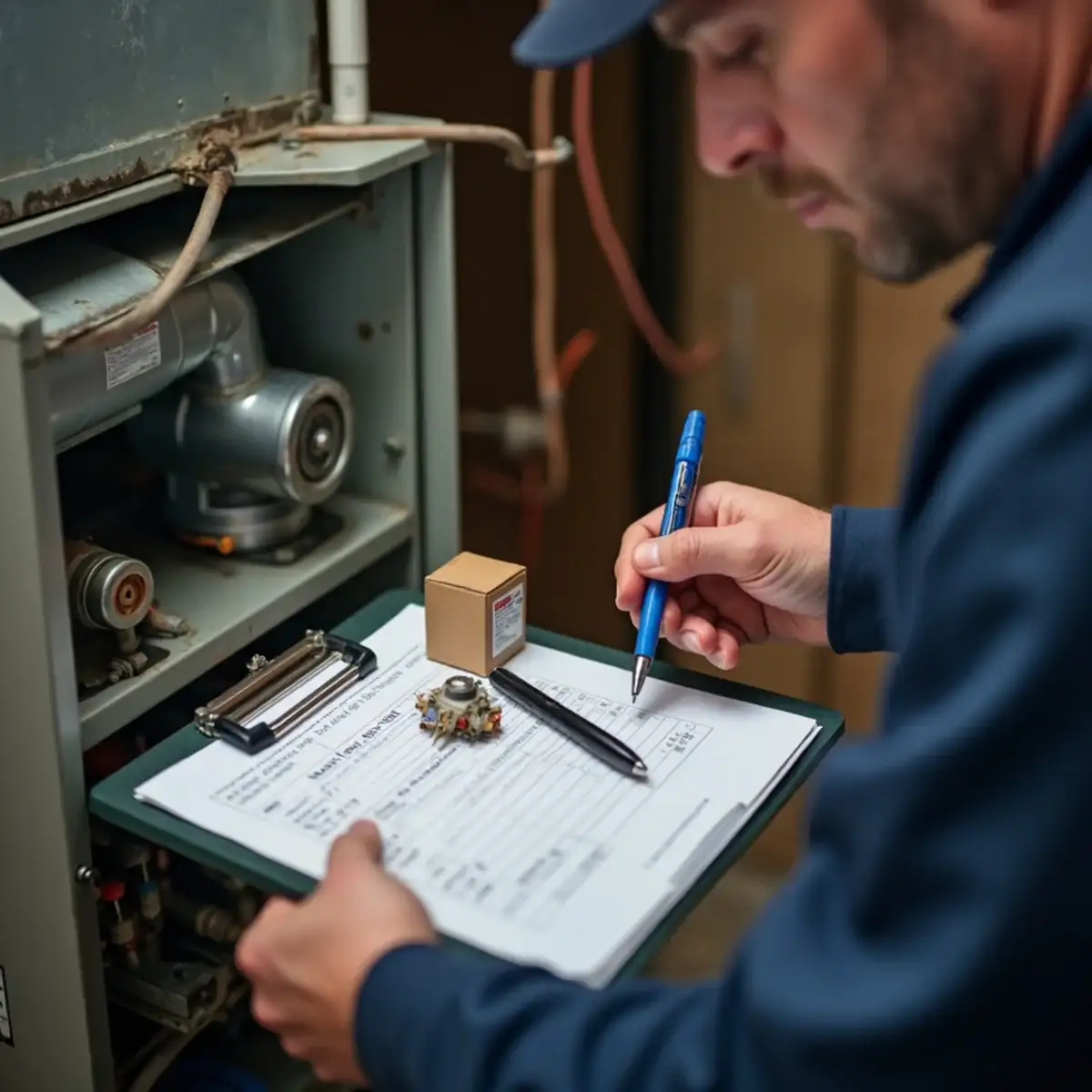
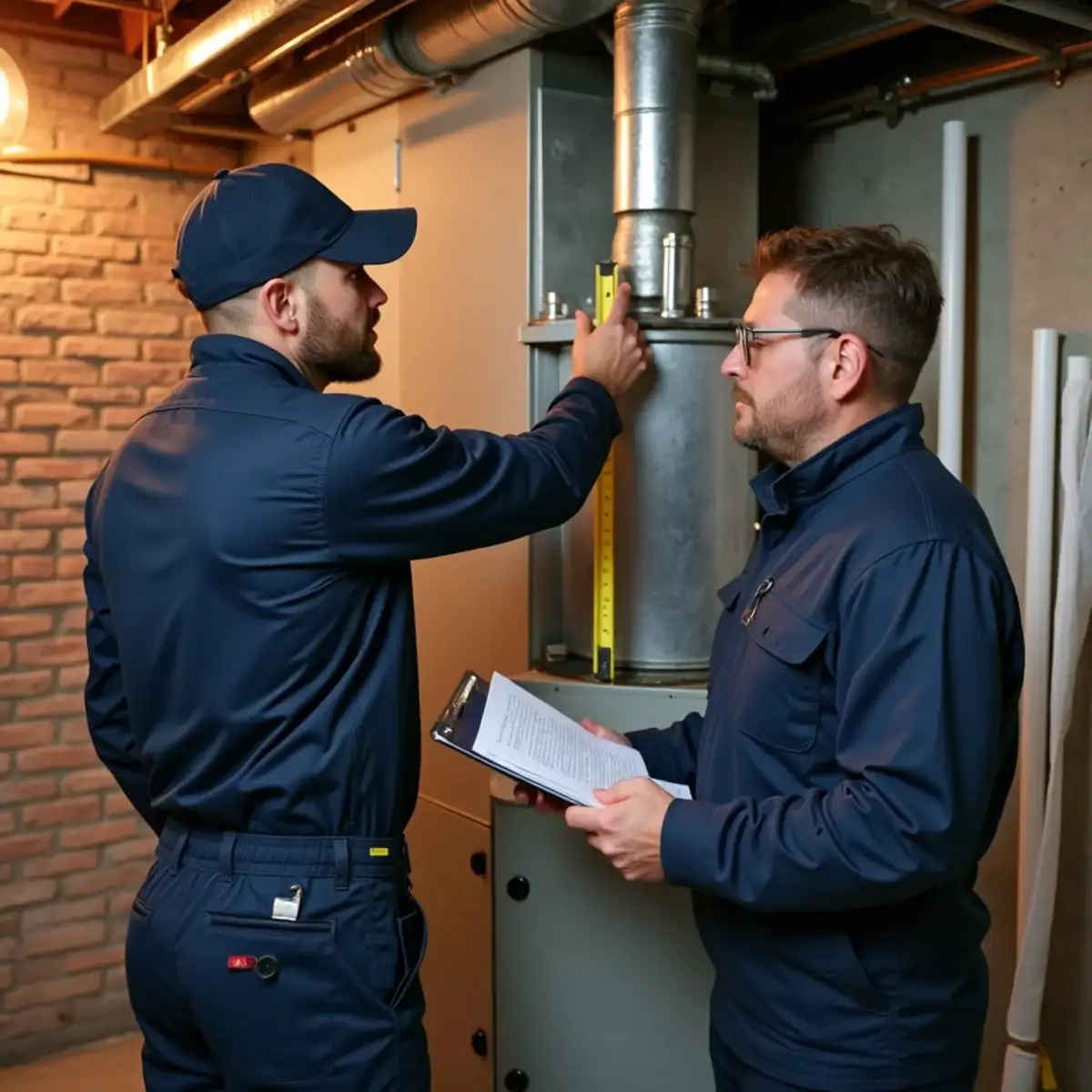
The furnace then needs a full inspection by an HVAC technician. That means a combustion analysis, a draft test on the flue or chimney, a check of the venting all the way outside, a leak test of the gas connections and a close look at the heat exchanger. If the furnace failed, our red-tagged furnace repair page covers heat exchanger checks, second opinions and replacement options.
Calls like this come from every part of the area. In Ross Township, for example, many 1950s to 1970s forced-air houses still have chimney-vented furnaces, and a flue check is often part of the visit.
From the technician's side: what an alarm can and can't tell you
A common piece of advice says to mount CO alarms high because carbon monoxide rises. It doesn't, in any useful sense: CO weighs about the same as air and mixes through a room. Follow the mounting instructions that came with your alarm, which is also what the alarm makers and fire-safety codes go by.
An alarm also can't tell you which appliance is the source. In a Pittsburgh basement, the furnace, the gas water heater and a car in an attached garage are all candidates, and an 80% furnace sharing an old brick chimney with the water heater can spill exhaust from either one. That's why the follow-up inspection uses a combustion analyzer at each appliance and a draft test at the chimney, rather than assuming the furnace is guilty.
Signs a furnace may be venting poorly
- Soot or brown stains around the furnace, the flue pipe or the water heater's draft hood
- Rust or white crusting on the metal vent pipe
- Heavy condensation on windows near the furnace room
- Burner flames that look yellow or lazy instead of steady blue
- A pressure switch or rollout switch that keeps tripping
Any of those is a reason to book an inspection soon. None of them replaces a working alarm on every level of the house.
Call for an inspection once the house is cleared
After 911 or your gas utility has cleared the house, call (321) 478-0693. Pittsburgh Furnace Repair answers 24/7 and sends a local HVAC technician to inspect the furnace, explain what was found and give you a price before any repair begins. If it happens at night or over a weekend, our emergency furnace repair service covers after-hours calls. A yearly furnace tune-up with a CO test helps catch these problems earlier.
Frequently asked questions
Should I call an HVAC company or the gas company if I smell gas?
Call 911 or your gas utility first, and make the call from outside the house. The gas utility (Peoples or Columbia Gas in most of Allegheny County) can find the leak, shut off gas and make the house safe. Call an HVAC company like Pittsburgh Furnace Repair after the utility or fire department has cleared the house and the furnace needs to be repaired or inspected.
Can my furnace cause carbon monoxide even if it seems to work fine?
Yes. A furnace can heat the house normally while a cracked heat exchanger, a blocked chimney or a disconnected vent pipe lets exhaust into living space. That is why working CO alarms matter and why a yearly inspection includes a combustion analysis and a draft test. Older Pittsburgh homes with 80% furnaces venting into brick chimneys deserve special attention to the chimney and liner.
Can I turn the furnace back on after a CO alarm stops?
No. An alarm that stops sounding does not mean the problem is gone; the CO may simply have cleared out while doors were open. Keep the furnace off until the fire department or gas utility has investigated and an HVAC technician has inspected the furnace, the flue and the heat exchanger. If the utility tagged the furnace, do not relight it.
Sources
Get help with this furnace problem
Servingfurnace repair in Ross Township, PAand nearby towns.